
Reflections on IMPAC5 from an EarthEcho YLC High Schooler
By Maanit Goel, 17, EarthEcho YLC Member
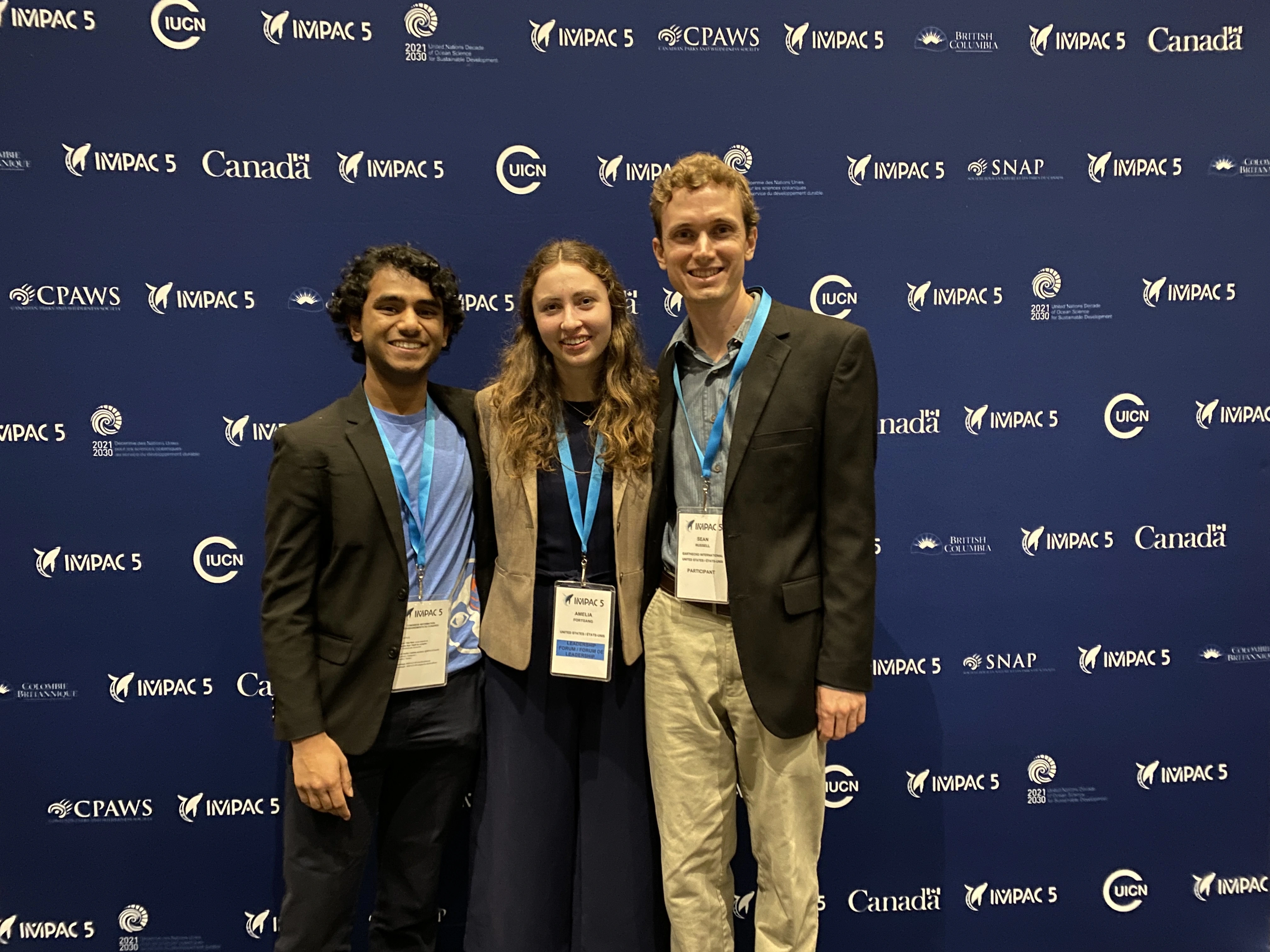
This past February, I had the opportunity to represent the EarthEcho Youth Leadership Council (YLC) alongside fellow member, Amelia Fortgang, at the 5th International Marine Protected Area Congress (IMPAC5) in Vancouver, Canada. IMPAC5 was an unparalleled opportunity to bring together marine protected area professionals from across the world into the same physical spaces, filled with panels and events exposing thousands of scientists, policymakers, NGO leaders, and activists to one another’s fields and unique solutions. Out of this melting pot came the perfect breeding ground for new ideas, solutions, and partnerships. For me, more than anything, it served as an endless well of inspiration and motivation to continue my own work in the field of marine conservation.
My main area of focus in regard to marine conservation over the past two years has been the protection of Southern Resident orcas in the Pacific Northwest region encompassing the northwestern United States and British Columbia. However, I don’t live directly on the coast. In fact, I haven’t seen the Pacific Ocean in years. When I’m lucky, I get to see the Puget Sound inlet from the Seattle coastline. I’ve never seen a Southern resident orca in person. I work with a large coalition spanning multiple states around the specific policy advocacy I do. Additionally, I am connected to an international network of young ocean advocates through my work with the YLC. However, when 99% of this collaborative work is over Zoom calls, it is easy for me to lose sight of why I do what I do. Yes, marine conservation is incredibly important, but it's easy to get discouraged when I feel my work is not making a difference. It is easy to feel isolated as if I am alone in my work when I cannot lay my eyes on the ecosystems and species I am dedicating so much time to protecting, due to my geographical location.
IMPAC5 showed me I was wrong. Being in this space was energizing, to say the least. From the first keynote on eco-anxiety to the 8 pm reflections on global Indigenous cultural ties to healthy waters, I felt heard. My work is not in isolation; my work is just one facet of a global movement toward ecological stability. I met so many inspirational people, from Mauritius to French Polynesia, that I ended up collecting business cards and LinkedIns like Pokemon cards.
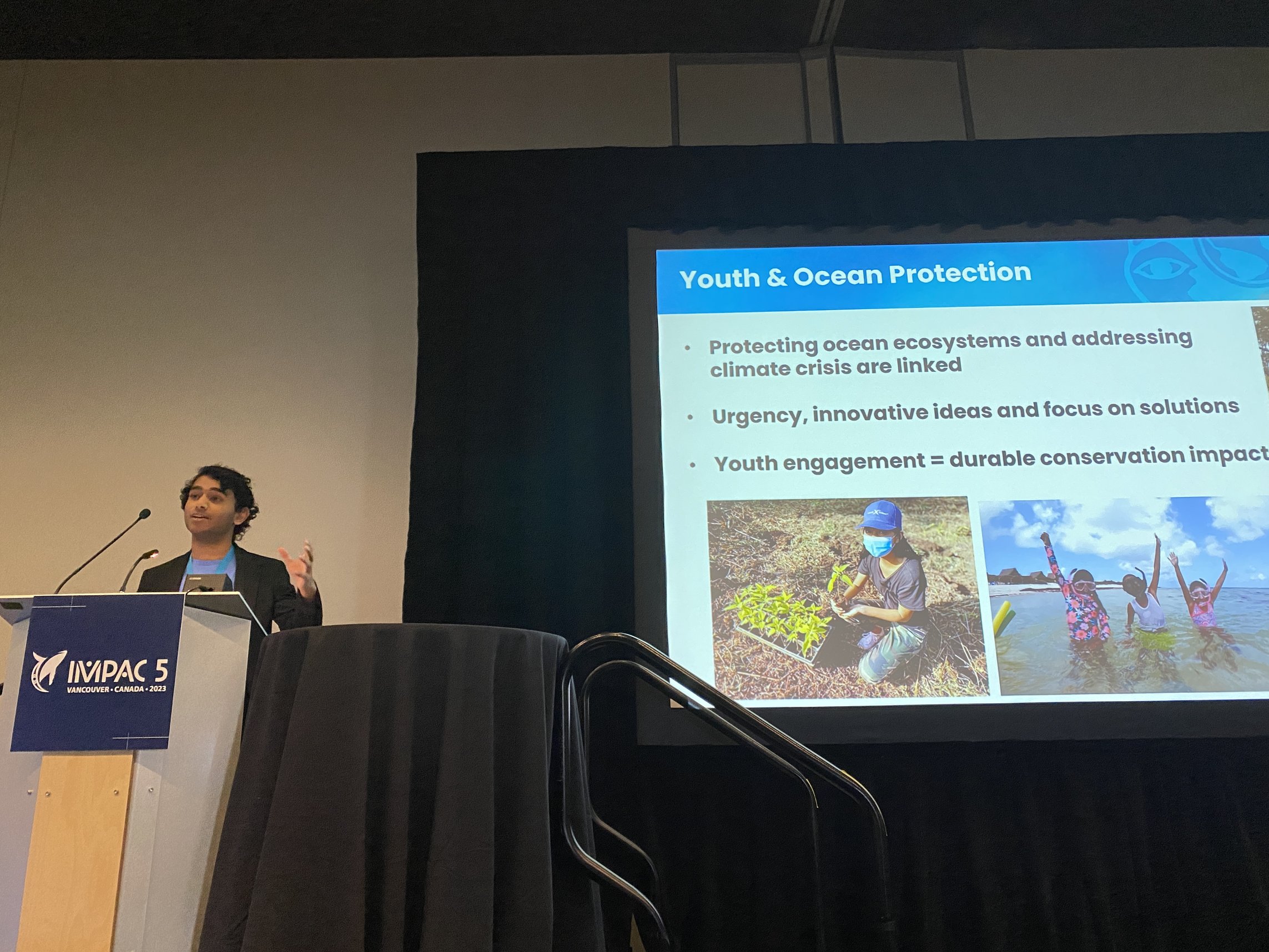
On my last day of IMPAC5, I had the opportunity to join EarthEcho colleagues and partners to present about the work of our OceanEcho 30x30 campaign, highlighting our progress elevating youth leadership to advance the goal of protecting 30% of the global ocean by 2030 through education, habitat restoration, and policy advocacy I happened to be one of the only under-18 panelists at the conference, but standing in that room and delivering my segment of the presentation, it was evident my voice and the voices of my EarthEcho friends and colleagues were valued and welcome in the global conservation discussion. The room was full, and questions were varied and plentiful. In particular, I noticed that many questions were focused on a genuine interest in how different organizations and entities in ocean conservation could better support and encourage youth involvement, which I was excited to hear and answer as best I could.
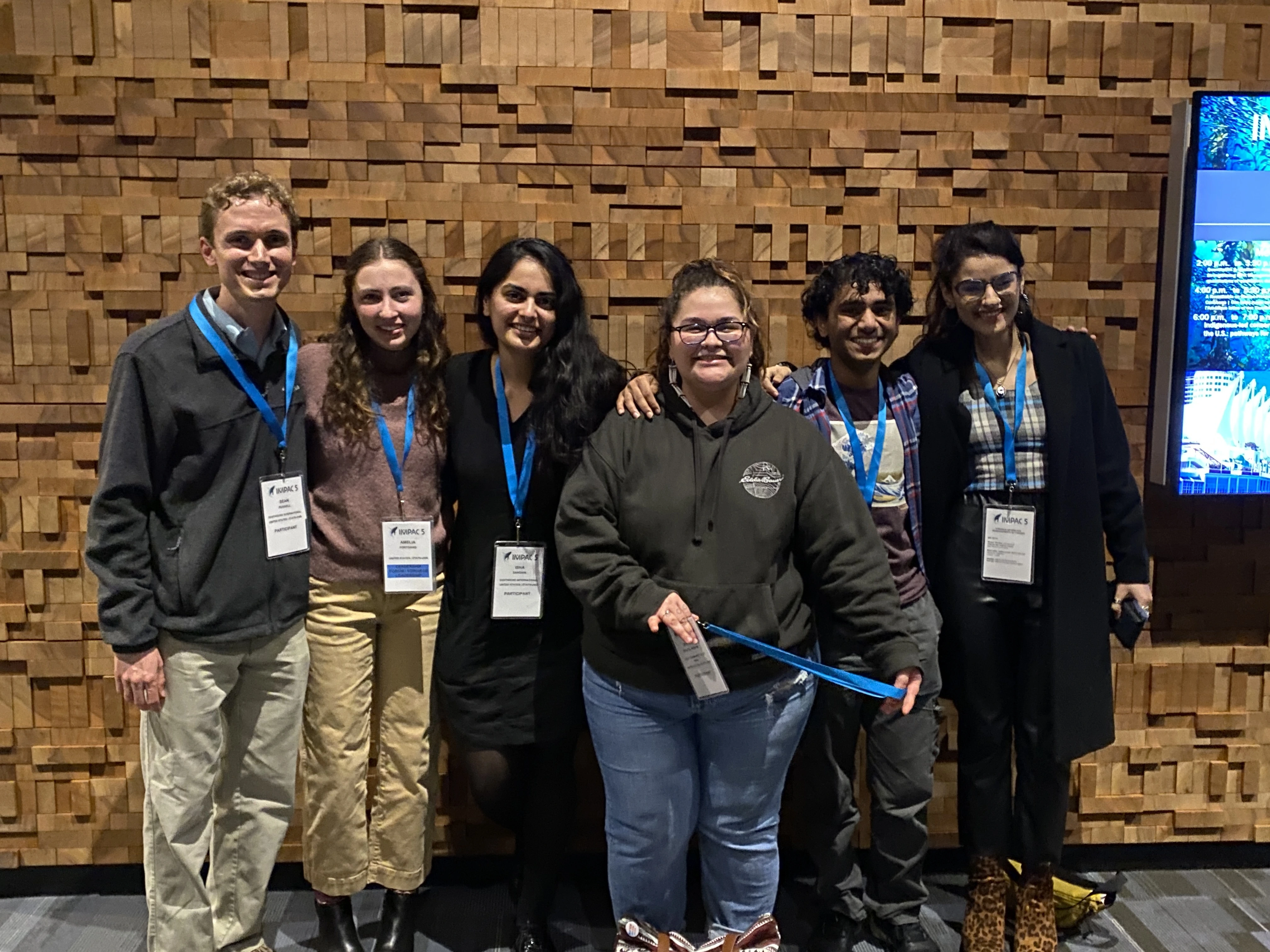
The EarthEcho Youth Leadership Council, I have grown to realize, has been an invaluable opportunity to expand my network in the ocean conservation field. It did not escape me that some of my past YLC colleagues, notably my friend Isha from the ‘20-’22 YLC cohort, had managed to leverage this early-career boost to build relationships with and secure new positions with reputable EarthEcho partners in the ocean space, and I myself was encouraged by partners to connect for future opportunities once I turn 18 next year. I was also able to meet and hear from incredible EarthEcho youth leaders from as far as Alaska, Brazil, and Iceland, and cement for myself truly how global this network is, even among my own age group.
My biggest takeaway from IMPAC5 was the feeling of unity in environmental spaces. Often it can feel like every topic is enveloped in controversy and debate, even something that you’d think would be as obvious as ‘we need to protect our planet’. But there are people, thousands of people, from around the world who have dedicated their entire lives to marine protection. To me, the most impactful part of this was the vast quantity of data from each presentation and panel I saw which proved that over time, all these different localized solutions were creating significant positive change. From coral gardening in the South Pacific to crowdsourcing whale sightings in Pacific Northwest waters, the sheer variety of approaches present and the impact being made completely shifted my perspective and breathed life into my own work.
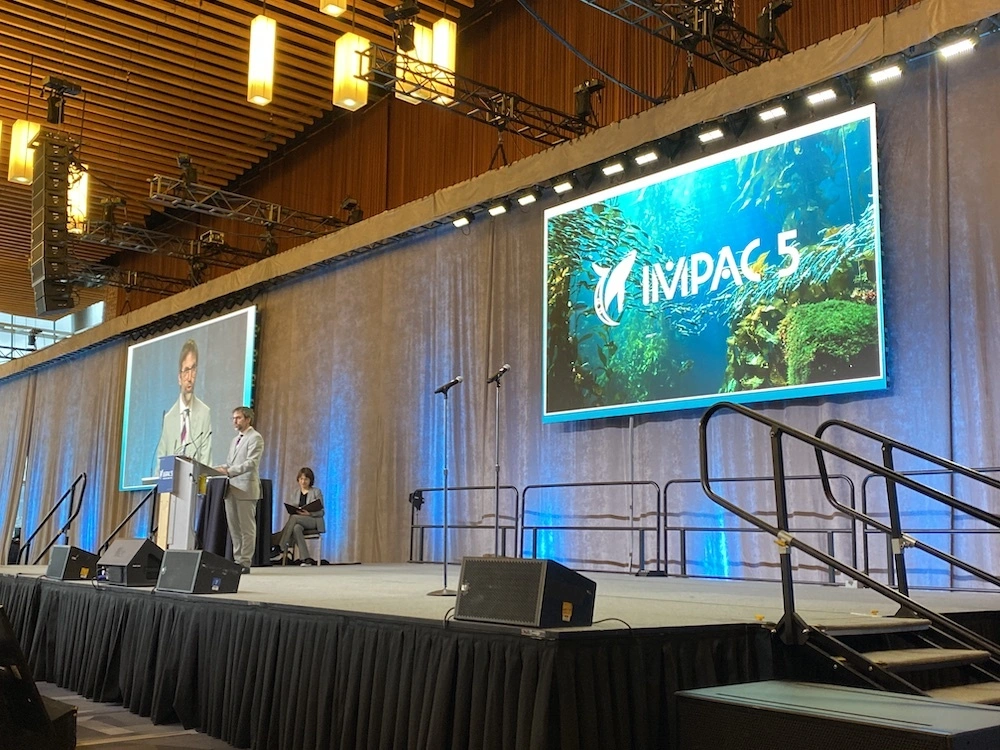
I think the moment from IMPAC5 that will stick with me most for years to come will be the closing ceremony. The organizing bodies had narrowed the next IMPAC conference host country candidates to Senegal and New Zealand. As they built up to the final decision, the excitement in the room was palpable. The silence was deafening. When they announced Senegal as the hosts of IMPAC6, the audience erupted, and for a good few minutes, there was a wave of pure euphoria which filled the room. I didn’t quite understand why this hand-off felt so significant, so thrilling, until I reflected on it later that evening.
In my view, the beautiful part of these global conservation spaces is this feeling of togetherness. That all of us, from any country in the world, from any background, any career, and any age range, are on the same team. When anyone has success in the field of conservation, everyone shares this success. And the other piece of the euphoria at that moment was the cultural aspect: the hand-off to Senegal included a physical handoff of a beautiful decorative paddle from the host First Nations. For the vast majority of human history, such a cultural exchange between such far corners of the world might have been unheard of, yet nonetheless, when the world comes together to save our ocean, what better stage is there to bring even our cultures together as one big human family?
To me, IMPAC5 wasn’t just a networking event for adults to chit-chat about ocean policies. It was a groundbreaking summit symbolic of a future we are all together striving for, and the glimpse I had into this world of hope was an experience like no other.