

Diving Into Regenerative Ocean Aquaculture
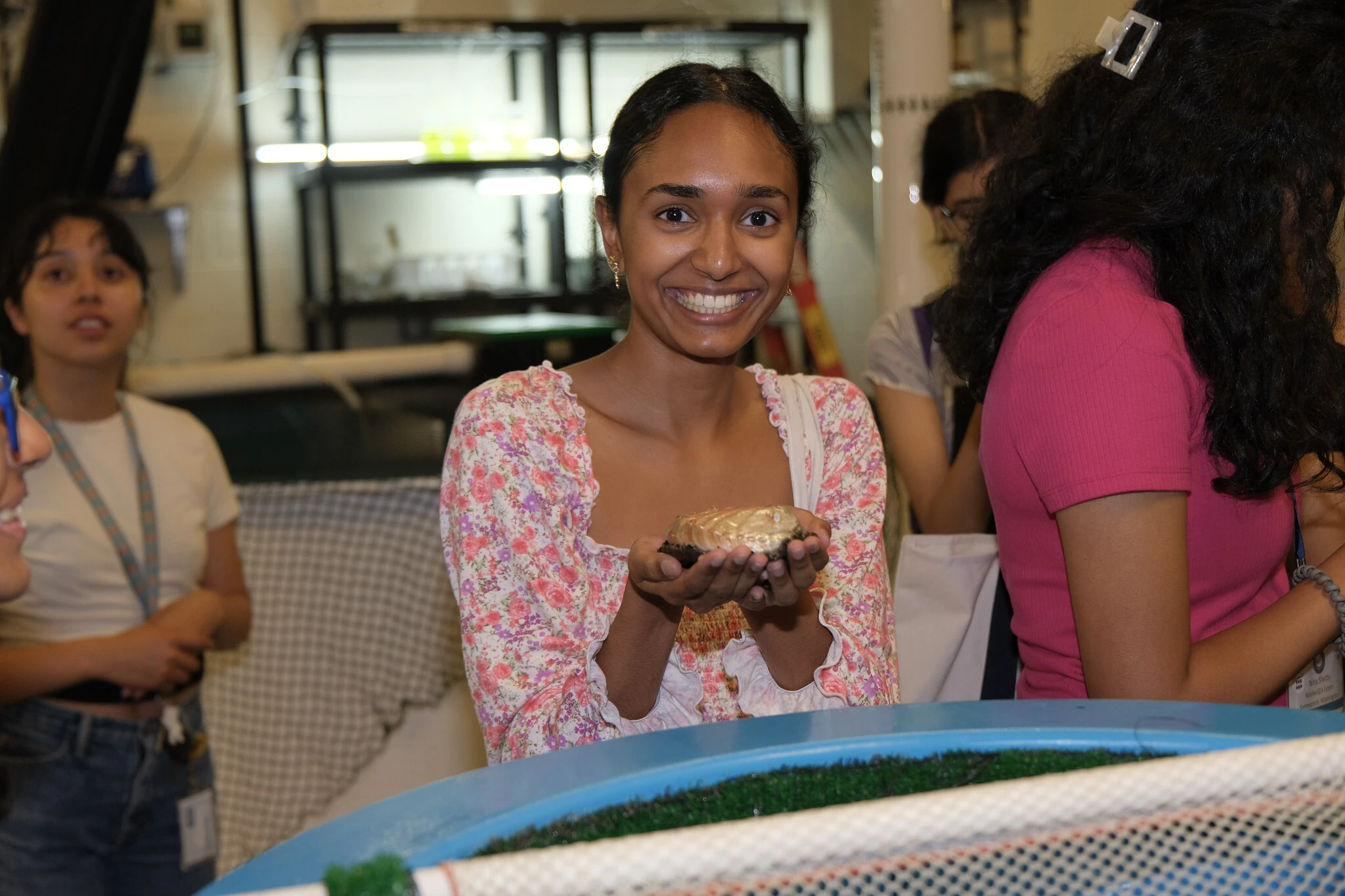
The ocean has long held the promise of abundant resources and economic opportunity. However, as we navigate the complexities of our changing climate and the impacts of human activity on our planet, we find ourselves at a pivotal crossroads. Regenerative ocean aquaculture and the cultivation of kelp and seaweed have emerged as powerful and sustainable solutions that not only promise economic benefits but also hold the potential to heal and rejuvenate our marine ecosystems. Regenerative ocean farming represents a climate-friendly form of aquaculture, characterized by the growing of seaweed, kelp, shellfish, aquatic plants, and algae without the need for freshwater, feed, or fertilizer. This technique is useful when working towards the “blue economy,” which is the sustainable use of ocean resources for economic growth while preserving the health of the ecosystem. By harnessing the potential of regenerative aquaculture, we not only have the opportunity to restore the health of our oceans but to restore depleted ocean resources and habitats. The farming model has shown many benefits, including improved water quality, protected coastlines, and even mitigate climate change.
Kelp and seaweed farming can absorb excess carbon dioxide, help mitigate ocean acidification, provide habitat for marine life, and serve as a sustainable source of food and biofuels. Further, regenerative ocean farming can also reduce the carbon footprint from land-based agricultural practices. Farmers have the potential to cut methane emissions by over 80% in cows and sheep by implementing seaweed into diets of livestock. Many cattle producers believe that incorporating kelp and seaweed will help reduce the use of antibiotics on farms, leading to more sustainable and nutritious meat.
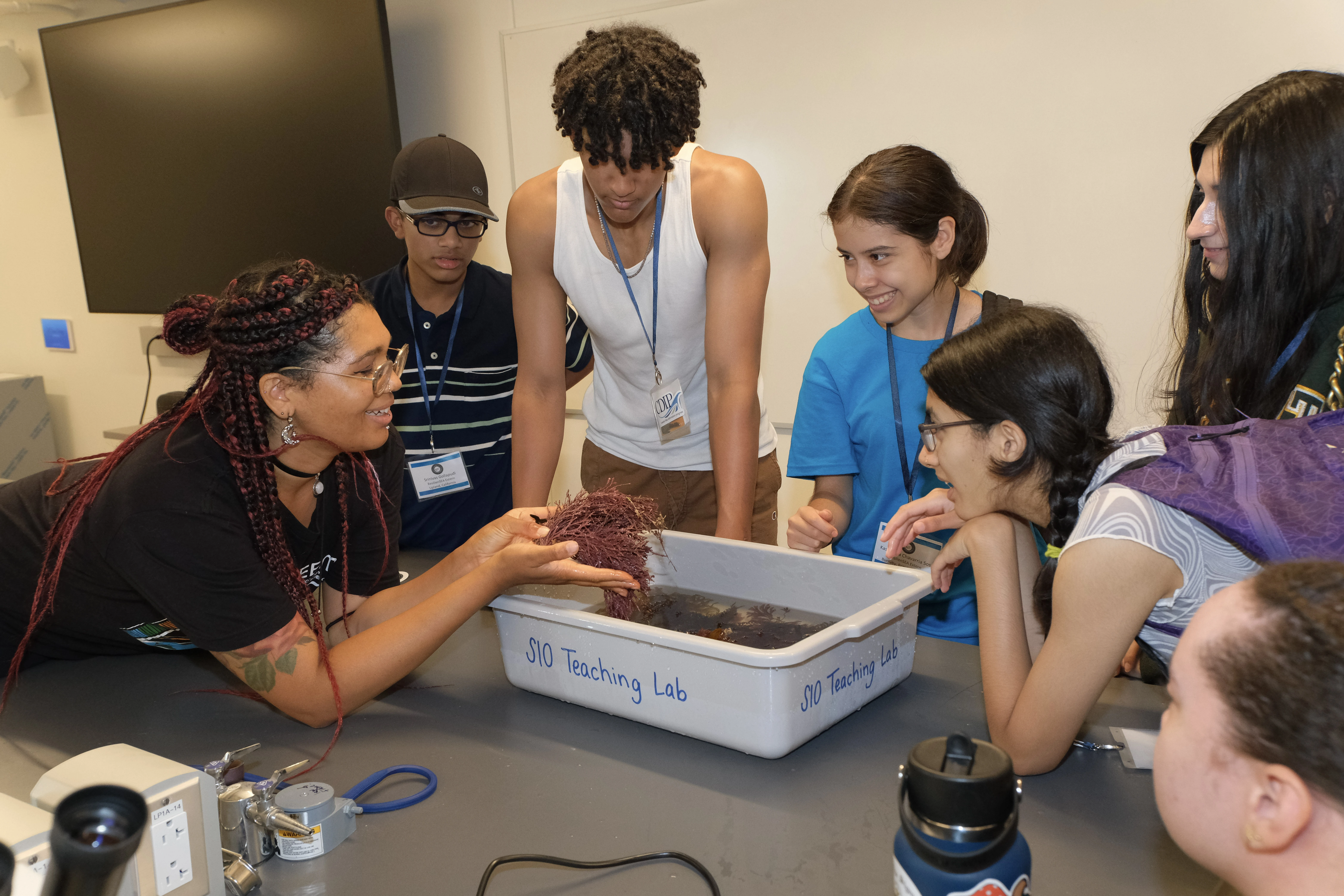
EarthEcho International’s Blue Carbon Ambassadors (formerly the ResilienSEA Externship) learned about different opportunities within the intersection of regenerative ocean aquaculture and the Blue Economy. This opportunity included innovation workshops and a Blue Entrepreneurship and Policy Forum to create ocean-based climate solutions revolving around ocean farming. Benefits of kelp/seaweed farming innovation can be seen in the work by Lee-Ann Ennis, the founder of the Vital Kelp Project, who received a grant from the Pacific Salmon Foundation’s Community Salmon Program for her work in ocean farming. Through her passion for science and ocean health, she has been working on her kelp cultivation nursery for over four years. Ennis hopes to improve nearshore habitats in hopes of helping salmon stocks recover.
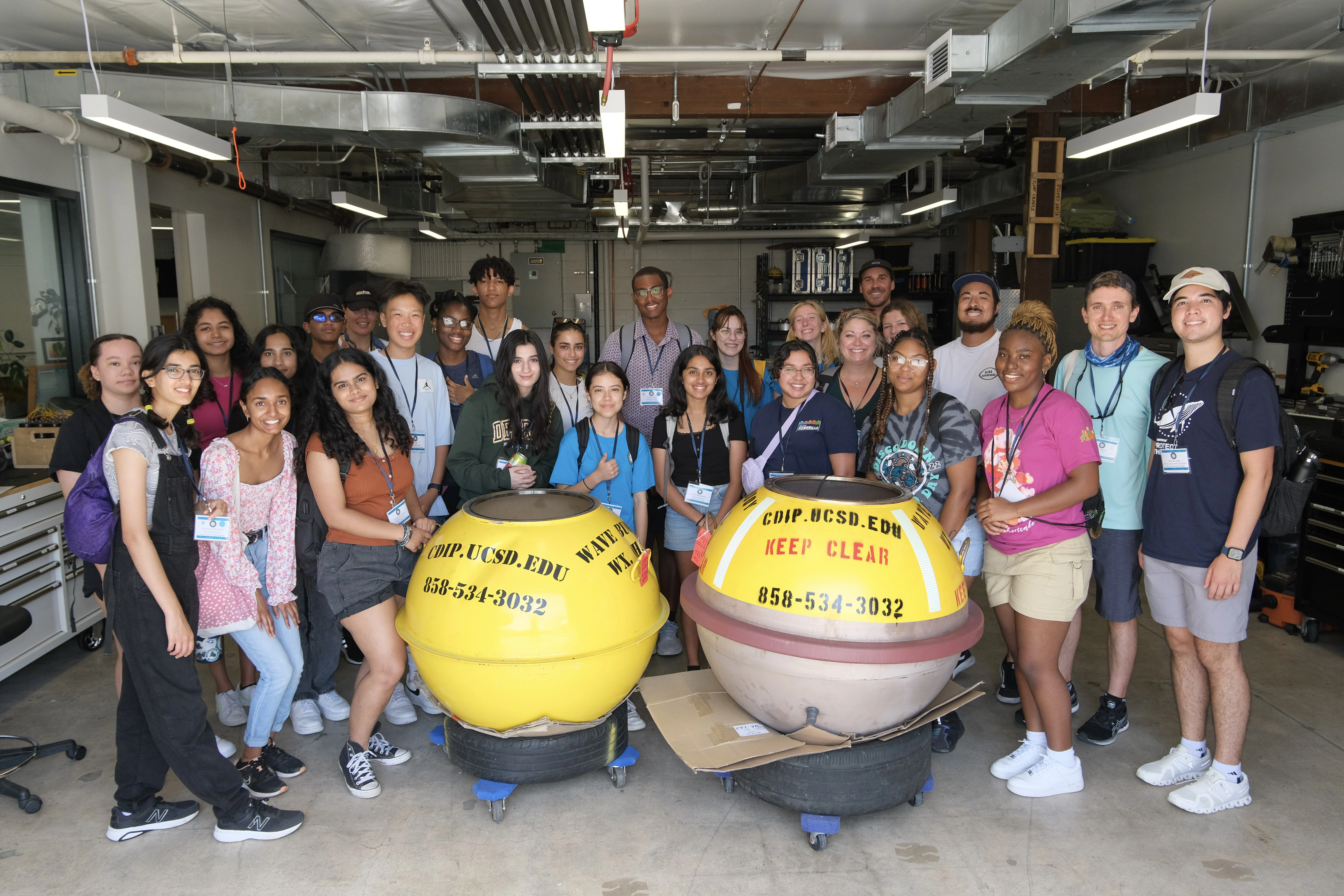
This exploration into regenerative ocean aquaculture and kelp/seaweed farming delves into a realm where science and innovation intersect with stewardship and sustainability. It is a journey that will take us from the depths of the ocean to the cutting-edge facilities that are reshaping the future of seafood production.
Sarika Sawant was a participant in the inaugural 2023 EarthEcho ResilienSEA Extern program and is a PhD student at the University of Illinois studying fish telemetry and biology. She previously completed her master’s degree at Arizona State University in Biology, studying shark and fish morphology/biomechanics. Sarika is passionate about connecting climate change to its effect on marine life and has an interest in policy work.